

July 4 Celebrations: Economic sizzle
???? Economic Fireworks: How Wine Powers the Fourth of July
As fireworks blaze across American skies and grills sizzle in backyards from Boston to San Diego, another celebration is quietly unfolding in glasses across the country. Wine, whether chilled, bold, bubbly, or classic, is a star player in the nation’s favorite summer holiday.
While beer often gets the loudest cheers, wine is quietly pulling off a patriotic power move. Independence Day wine sales hit over $500 million each year, making it one of the biggest wine-buying moments on the calendar, right behind Thanksgiving and the winter holidays.
And it’s not just about the cheers there’s serious economic muscle behind the cork pop. The wine industry pours more than $323 billion into the U.S. economy, supporting 1.75 million jobs from vineyard to venue. When you raise a glass on July 4th, you’re toasting more than freedom, you’re helping fuel it.
???? Who’s Sipping, and Why It Matters
July 4th wine lovers span generations and backgrounds. Baby Boomers (60+) still top the charts as the most frequent buyers, but Millennials (who now make up 32% of the wine market) and the emerging Gen Z wine crowd are gaining momentum fast.
Women are leading at the checkout counter, often making thoughtful picks for group events and family gatherings. Meanwhile, younger and more diverse consumers are embracing wine as part of their lifestyle—a stylish, food-friendly, and increasingly sustainable drink of choice.
???? Red Wines: Grilled & Chilled
Red wine might not scream “summer,” but don’t underestimate its July 4th impact. Bold reds like Cabernet Sauvignon and Pinot Noir dominate the grill zone, pairing beautifully with burgers, steaks, and ribs.
And here’s something even wine pros might find surprising: chilled reds are making a splash. Styles like Gamay, Beaujolais, or a lightly chilled Pinot Noir are increasingly popular, especially in warmer states and among younger drinkers looking to beat the heat without sacrificing structure.
You’ll also find a spike in Zinfandel sales. America’s heritage grape, particularly in California, where patriotic pride and backyard BBQs go hand in hand.
⚪ White Wines: Crisp, Clean, and Cooler-Approved
White wine is the go-to for daytime festivities, offering a crisp and cooling counterpoint to rich picnic fare. Sauvignon Blanc, Chardonnay, and Pinot Grigio remain summer staples thanks to their bright acidity and food-friendly flavors.
In fact, in hot-weather states like Florida, Arizona, and southern California, white wine outsells red on July 4th, a rare flip in the usual red-dominant wine landscape. And don’t overlook sparkling white blends or canned whites. Retailers report a rise in fun, portable formats ideal for pool parties and park picnics.
???? The July 4th Wine Mindset: More Than Just a Drink
Today’s consumers aren’t just buying wine, they’re choosing experiences. Many, especially Millennials and Gen Z, are gravitating toward brands that align with their values: sustainability, authenticity, and storytelling.
They want wines that feel personal, whether that means organic production, eco-friendly packaging, or a compelling backstory. July 4th is about celebration, yes, but it’s also about community, identity, and expressing what matters, even though something as simple as what’s in the glass.
Final Sip: Red, White, and Wine
This Independence Day, red and white wines are doing more than just matching the flag. They’re bringing people together around the table, the grill, and the firework display. They’re versatile, refreshing, and rooted in tradition, just like the holiday itself. Whether you’re pouring Pinot with your pulled pork or sipping Sauvignon while watching the sky light up, know this: you’re not just celebrating, you’re supporting a vibrant, dynamic wine culture that continues to shape the American story.
Cheers to freedom, flavor, and the Fourth of July.
InMyPersonalOpinion.Life
White Wine with Attitude
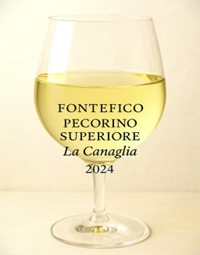
- Fontefico Terre Di Chieti Pecorino D’Abruzzo Superiore DOC La Canaglia Bio. 100 percent Pecorino. Certified Organic.
Fontefico’s La Canaglia 2024 is a vivid expression of Abruzzo’s coastal terroir, equal parts rebellious and refined. This is a certified organic estate located above the Gulf of Vasto in southern Abruzzo. Run by Nicola, Emanuele, and Valeria Altieri since 2006, the winery is committed to native varieties and single-vineyard bottlings. La Canaglia (the rascal), comes from the Vigna Bianca parcel, with iron-rich, sandy-clay soils. It is a low-yielding site that rewards patience with character-rich Pecorino.
The vineyard sits at 120 meters above sea level with eastern exposure, soaking in Adriatic breezes that lend salinity and freshness. The soil is a mosaic of iron, sand, and clay, with surface stones and organic richness from spontaneous cover crops and green manure. This mix yields wines with minerality, structure, and longevity.
Fontefico’s microclimate is consistently shaped by cool, salty winds from the Adriatic and the protective embrace of the Apennines. This balance of maritime influence and mountain shelter typically ensures healthy ripening and vibrant acidity.
In The Glass
- Appearance. Very light lime green enhanced by brilliant golden color. Subtle shimmer, indicating concentration and vitality
- Nose. Expressive, layered aromatic with balsamic and herbal notes (wild sage) and white flowers. Look for hints of Citrus (grapefruit), lime, green and yellow apple, melon, peach; delicious saline edge, with a hint of bitter almond.
- Palate. Medium to full-bodied that is lively, juicy acidity with pronounced minerality. Dominate flavors of lemon, grapefruit, green and yellow apple, ripe melon, stone fruit offset with saline tang, creaminess. Look forward to a long, persistent finish with subtle almond bitterness and herbal-floral lift.
- Structure & Style. 14 percent alcohol, providing structure; low yields, organic viticulture; six months lees aging (no stirring) for complexity; no oak, emphasizing varietal purity and terroir
Red Wine: Untamed. Unfiltered. Unforgettable
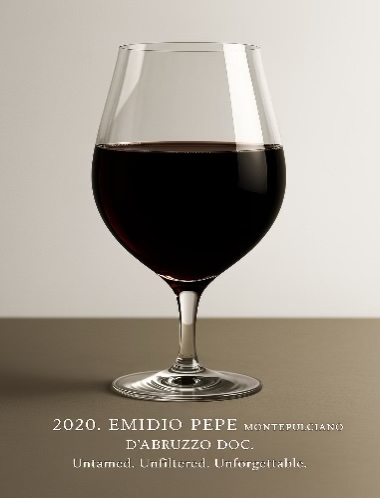
2. Emidio Pepe Montepulciano D’Abruzzo DOC. 100 percent Montepulciano;
Certified organic and biodynamic methods. Biodynamic practices are rigorously followed: no chemical inputs, no selected yeasts, and no enzymes are used. All vineyard and cellar work are done by hand.
The Pepe family’s winemaking tradition began in 1899 in Torano Nuovo, Teramo, Abruzzo. Initially focused on producing bulk wine for local cooperatives, the estate underwent a pivotal transformation in 1964 when Emidio Pepe started bottling fine wine under his own name. Recognizing the remarkable aging potential of Montepulciano and Trebbiano d’Abruzzo, Emidio Pepe became a pioneer in elevating these indigenous varieties and is now celebrated for his commitment to traditional, hands-on methods, eschewing filtration and chemicals to champion the authentic expression of Abruzzo’s terroir.
Today, the estate remains firmly in family hands, with Emidio’s daughters Sofia and Daniela and granddaughter Chiara actively involved in all aspects of production and vineyard management.
Located in the hills of Torano Nuovo, just a few kilometers from the Adriatic Sea and framed by the Gran Sasso Mountain, the estate’s vineyards are planted on clay and limestone soils. This terroir imparts structure and minerality to the wines. The microclimate, influenced by cooling sea breezes and significant diurnal temperature shifts, preserves acidity and aromatic freshness in the grapes.
The estate covers approximately 15–20 hectares and produces around 80,000 bottles annually. All grapes are hand-harvested; Montepulciano is crushed by hand, while whites are foot-trodden. Fermentation occurs in concrete tanks, and the wines are bottled without filtration. Montepulciano d’Abruzzo can be aged in the cellar for up to 20 years before release, with only the best vintages and bottles selected for market.
In the Glass
- Appearance. Deep ruby with youthful purple highlights, indicating vibrancy and concentration.
- Nose. Intensely aromatic, with layers of black cherry, wild blackberry, and plum, supported by notes of violets, licorice, and Mediterranean herbs. Earthy undertones of leather, forest floor, and a distinct mineral thread reflect the clay-limestone soils.
- Palate. Full-bodied and structured, yet remarkably fresh. The palate echoes the nose with ripe black fruit, savory spice, and a saline minerality. Tannins are firm but polished, promising longevity. The wine is balanced by lively acidity, leading to a long, persistent finish marked by notes of dark chocolate, tobacco, and a touch of balsamic.
© Dr.Elinor.Garely, InMyPersonalOpinion.Life.2025]. All rights reserved. No part of this content may be reproduced, distributed, or used without permission. For inquiries, contact EG@InMyPersonalOpinion.Life, Dr.Elinor Garely.