
Italy’s wine classification system is like its opera: passionate, complex, and liable to leave you teary-eyed, either from emotion or frustration. What began as a noble effort to preserve tradition, celebrate terroir, and ensure quality has, over time, morphed into a Byzantine labyrinth of acronyms, subzones, and stylistic footnotes that even seasoned sommeliers sometimes pretend to understand while secretly Googling under the table.
With classifications like DOCG, DOC, IGT, and now the ever-multiplying micro-designations, Italy seems intent on bottling not just wine, but centuries of pride, local rivalries, and grandmother-approved fermentation techniques. It’s a system that, on paper, ensures traceability, protects heritage, and gives wine professionals a reason to raise an eyebrow at dinner parties. But let’s be honest: does it make sense to the average drinker who just wants a great glass of red with their lasagna?
Some argue that Italy’s intricate hierarchy is a beautiful way to guide connoisseurs through the country’s dizzying diversity. Others suspect it’s a cunning plot to separate those who can pronounce Montepulciano d’Abruzzo Colline Teramane DOCG without biting their tongue… from those just hoping for a decent wine that won’t scare the credit card.
So, is Italy lifting the veil on its winemaking soul? Or is it quietly creating a secret handshake only wine insiders can decode, leaving regular folks swirling in a fog of appellations and vineyard maps?
Either way, when in doubt, just drink the wine. If it tastes good, it is good, even if you can’t remember what all those letters mean.
???? Italian Wine Classifications
Italy’s modern classification system has four tiers, established in 1963 and revised in the 1992 Wine Law and the EU alignment in 2008. The four categories are:
- Vino da Tavola (VdT) — Table Wine
This is the most basic category, simply labeled as “Italian wine.” It has few regulations on grape variety or geographic origin. No vintage year, vineyard, or region is required on the label (though some producers include them unofficially).
This designation allows maximum flexibility in blending grapes from different regions and vintages, and is often used for inexpensive, everyday wines. Frequently it is use for both low-cost bulk wines or high-quality “rule-breakers” who choose to sidestep DOC/DOCG rules for creative freedom.
Consumers may view this as a wine that is ordinary or mass-marketed. Internationally it is historically dismissed, though some cult wines (like early Super Tuscans) carried this label.
2. Indicazione Geografica Tipica (IGT) — Typical Geographical Indication
Wines with identifiable geographic origins but more relaxed rules regarding grape varieties, aging, and yields. Created in 1992 as a compromise between creativity and tradition.
This designation allows winemakers to innovate while still labeling the wine by region (e.g., Toscana IGT). It is a response to the success of Super Tuscan wines that defied DOC/DOCG rules yet achieved global acclaim. It offers producers flexibility with international grape varieties (like Cabernet Sauvignon, Merlot) or nontraditional blends. Consumers respect IGT when the wines are made by renowned producers. For the international buyer, it is increasingly valued, especially for expressive, modern wines.
3.Denominazione di Origine Controllata (DOC) — Controlled Designation of Origin
Wines from specific, regulated geographic areas with rules that govern grape types, production methods, aging times, and alcohol levels. There are over 330 DOCs in Italy.
The purpose of this designation is to preserve regional wine identities and promote consistent quality. DOCs are often tied to centuries-old traditions. For the producer it is a signal of authenticity and tradition. Many winemakers seek DOC status to boost credibility and marketability.
Consumers are comfortable with the DOC as it is familiar and trusted. Internationally it is viewed as a benchmark for quality, especially when tied to a famous region (e.g., Chianti DOCG, Barbera d’Asti DOC).
4.Denominazione di Origine Controllata e Garantita (DOCG) — Controlled and Guaranteed Designation of Origin
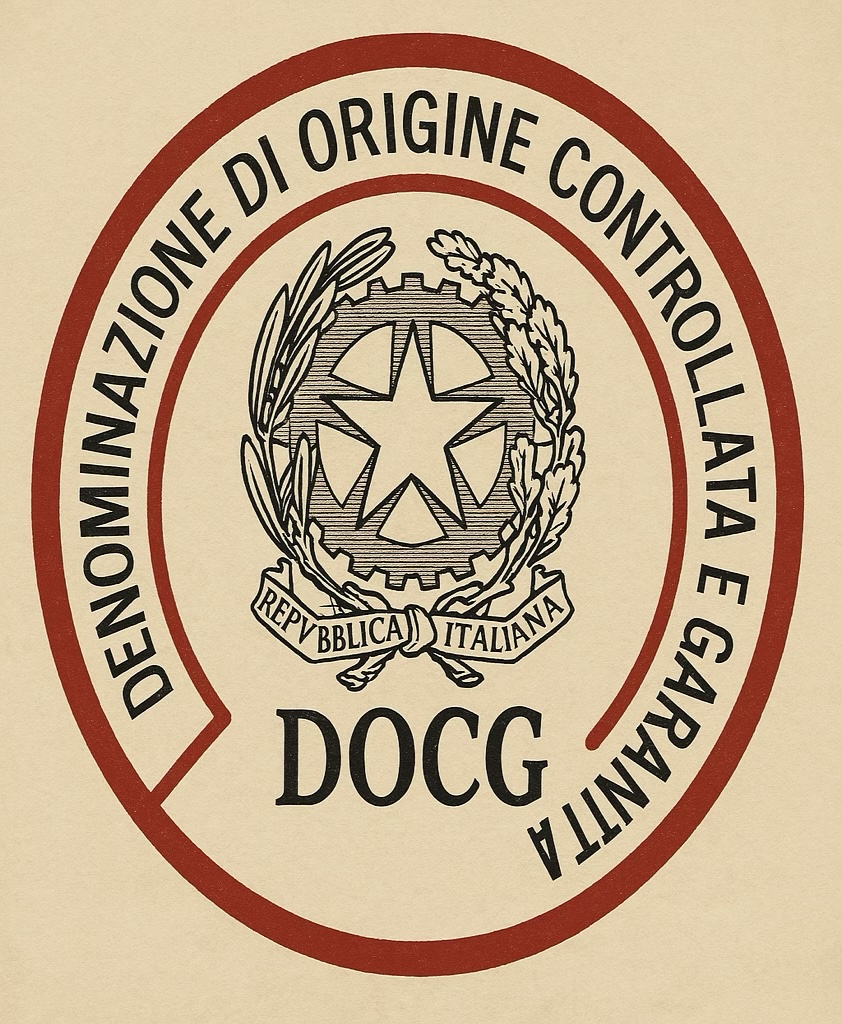
The highest classification. DOCG wines must meet DOC requirements plus:
- Stricter yield limits.
- Longer aging.
- Government seal on every bottle.
- Taste-testing by government panels.
There are currently over 70 DOCGs, including Barolo, Brunello di Montalcino, Amarone, and Chianti Classico.
???? Summary
| Classification | Rules | Typical Use | Prestige | Consumer View |
| Vino da Tavola (VdT) | Few | Table wine, experiments | Low | Cheap, or rebellious |
| IGT | Some | Creative blends | Medium | Flexible, modern |
| DOC | Strict | Regional wines | High | Trusted, traditional |
| DOCG | Very strict | Elite regional wines | Very High | Premium, but complex |
© Dr.Elinor.Garely, InMyPersonalOpinion.Life.2025]. All rights reserved. No part of this content may be reproduced, distributed, or used without permission. For inquiries, contact EG@InMyPersonalOpinion.Life